South Carolina’s Grand Strand offers a genuine sense of American spirit year-round.
2026 will be an exciting milestone across the country as America celebrates its 250th anniversary of independence, marking an exceptional opportunity to reflect on the nation’s history and look toward its future. Along South Carolina’s Grand Strand, America 250 commemorations, educational programs and community initiatives will honor the ideals of freedom, patriotism and innovation that have shaped the United States since 1776.
“Our 60 miles of beaches have long been a nostalgic yet vibrant place for families to come together, honor traditions, celebrate service and enjoy the freedoms that define our country,” said Denielle Van Dyke, Public Relations Manager of Visit Myrtle Beach. “As we look ahead to next year’s America 250 celebrations, now is the perfect time to plan your 2026 beach trip and indulge in a patriotic experience along America’s favorite beach.”
From fireworks and family-friendly amusements to military monuments and living history farms, The Beach provides the ideal landscape to celebrate the American spirit. Here are a few meaningful ways to mark America 250 along the Grand Strand.
Follow the Path of the Swamp Fox
Step back into the Revolutionary War era and trace the movements of General Francis Marion, the elusive “Swamp Fox.” Marion earned his reputation by outmaneuvering British forces through his intimate knowledge of the region’s wetlands, actions that materially contributed to securing American independence. His campaigns moved throughout the region in the late 1700s, and today visitors can find numerous markers, trails and protected lands honoring his legacy.
Near Conway, sites associated with the Battle of Bear Bluff and the historic communities around Galivants Ferry on the Little Pee Dee River offer a glimpse into the region’s Revolutionary War-era landscape and the story of Francis Marion’s campaigns. The County itself was named in 1801 for Revolutionary War Brigadier General Peter Horry, whose service helped secure the nation’s future.
Explore Early American History Along the Coast
South Carolina’s Grand Strand is dotted with locations that helped shape the country’s early story. A drive along U.S. Highway 17 closely follows the route of the historic Kings Highway, a roughly 1,300-mile colonial road developed between the late 1600s and early 1700s to link Charleston and Boston.
In the fishing village of Little River, the oldest settlement in Horry County, visitors can admire the natural beauty of Vereen Memorial Historical Gardens, which served as one of President George Washington’s overnight stops during his 1791 Southern tour.
Farther south, the historic city of Georgetown offers a well-preserved waterfront district with museums and colonial-era sites that reflect the region’s maritime and cultural history. Nearby Pawleys Island showcases another piece of American ingenuity, the Original Pawleys Island Rope Hammock, first created in the late 1800s by riverboat captain Joshua John Ward and is still hand-woven today.
Step Into Living History
From gardens and museums to working farms, the region offers immersive experiences that preserve and interpret the past. At Brookgreen Gardens, the Lowcountry History Center and interpretive exhibits trace the area’s rice plantation era, Gullah Geechee culture and natural heritage, offering a deeper understanding of the region’s landscape and people.
Freewoods Farm, located in the Burgess community of Myrtle Beach, is recognized as the only African American living-history farm of its kind in the United States. Visitors can experience demonstrations, tours and exhibits that reflect life on small family farms operated by African Americans from the late 19th to mid-20th centuries. Similarly, the Horry County Museum operates the L.W. Paul Living History Farm, where daily-life demonstrations showcase farming practices and rural traditions from 1900–1955. Together, these sites bring to life the agricultural work, innovation and resilience that shaped the region.
Honor American Service at Local Veterans Memorials:
Across the Grand Strand, memorial sites and community events stand as lasting tributes to the men and women who have served the United States. Warbird Park in Myrtle Beach features retired military aircraft and memorial plaques that commemorate the legacy of the former Myrtle Beach Air Force Base and the airmen stationed there during conflicts from the Cold War through the Gulf War.
Each Memorial Day weekend, an annual parade moves through Myrtle Beach’s Market Common district as spectators, veterans and families gather to honor those who have sacrificed in service to the nation. In North Myrtle Beach, the Veterans Memorial at the North Myrtle Beach Park & Sports Complex features a prominent monument, service branch emblems and a peaceful setting designed for reflection.
Experience Patriotic Fun by the Seashore:
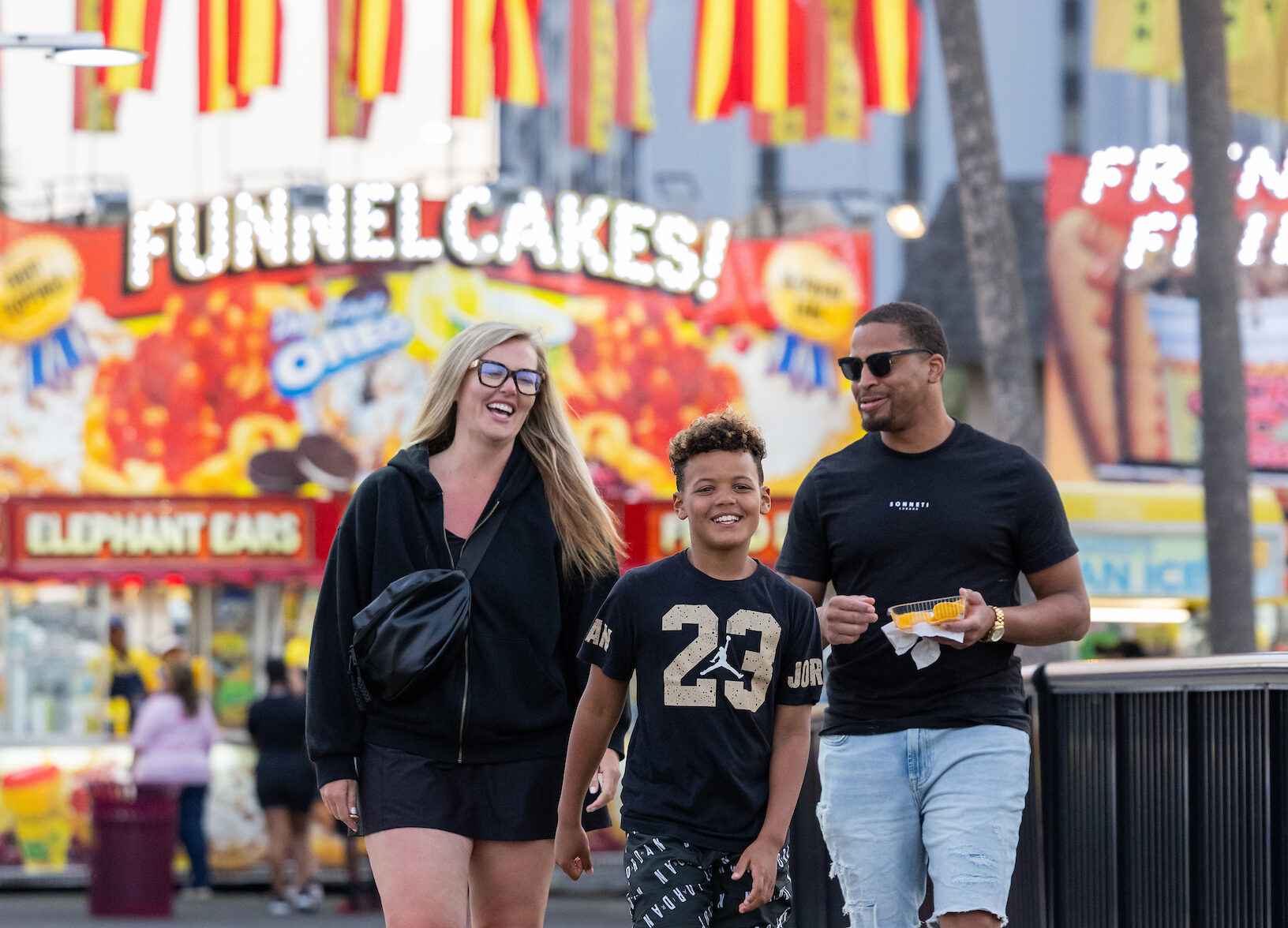
For a lighter, distinctly American celebration, the Grand Strand delivers a classic patriotic beach experience filled with amusement rides, carnival treats and fireworks displays. Places such as Broadway at the Beach, the Myrtle Beach Boardwalk and other oceanfront entertainment districts offer a nostalgic blend of Americana, complete with Ferris wheels, ice cream parlors, hot dog stands and live music echoing across the water.
Along the oceanfront, family-owned icons like Peaches Corner, which has been serving visitors since 1937, and traditional amusement parks evoke generations of summer memories. Throughout the summer and on holiday weekends, fireworks shows light up the coastline, adding a festive flair to the evening sky. Over the Fourth of July holiday, a host of special events take place, including patriotic parades featuring elaborately decorated golf carts and boats.
Resources:
Visit SouthCarolina250.com and VisitMyrtleBeach.com to explore more was to celebrate America’s history throughout the Myrtle Beach area from vibrant Independence Day celebrations over the Fourth of July holiday to educational opportunities that commemorate the country’s early days.
Relevant Articles: